






Red Team Simulations for Deepfake Preparedness
Modern cybersecurity testing requires realistic threat modeling scenarios. Traditional penetration tests do not account for advanced artificial intelligence capabilities. Threat actors now incorporate synthetic media into corporate social engineering campaigns. Organizations must update testing methods to reflect these current risks.
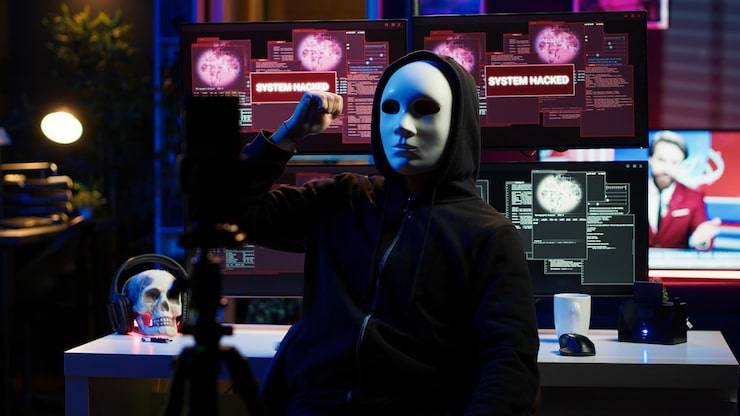
Security departments separate operations into offensive and defensive units. Offensive teams look for weak spots in corporate network perimeters. Defensive teams monitor security systems to block active digital network attacks. Both units must adapt to counter the rise of manipulated media.
Deepfake Dashboard provides simulation environments for enterprise technical teams. The platform creates realistic synthetic media files for controlled security drills. Security managers use these tools to test network defense systems safely. Regular exercises reveal hidden vulnerabilities in corporate security architectures.
Raising Blue Team Security Awareness
Defensive security units monitor network activity around the clock. They use advanced filters to identify unauthorized attempts to access corporate data. However, synthetic media files often bypass standard automated network alert systems. Blue teams must increase Awareness regarding visual and audio manipulation tactics.
Training defenders to spot synthetic media artifacts improves detection speeds. Analysts learn to look for inconsistent file metadata and altered timestamps. These technical markers indicate that a media file has undergone artificial modification. Enhanced detection capabilities prevent data breaches across corporate networks.
Designing Active Drills for Deepfake Preparedness
Offensive security teams launch simulated synthetic campaigns to test corporate defenses. They create realistic voice clones of high-level managers to target employees. These controlled exercises show how easily workers believe fraudulent phone calls. Building comprehensive Deepfake Preparedness starts with these realistic internal testing drills.
Security planners define clear boundaries before launching internal simulation exercises. The tests should mimic active cybercrime tactics without disrupting daily business operations. Collecting realistic performance data allows companies to fix specific human errors. Proactive testing strengthens the organization’s total defensive capabilities.
Measuring Employee Awareness During Cyber Attacks
Simulation software tracks how employees react to targeted phishing media. Analysts measure how many workers click links or share corporate credentials. This data provides a clear picture of the company’s security culture. Managers use these metrics to update training materials.
High failure rates during initial tests indicate the need for education. Security teams provide immediate feedback to employees who fall for simulations. Explaining the specific signs of media manipulation reinforces safe communication habits. Continuous evaluation builds lasting workforce resilience against social engineering.
Analyzing Evaluation Metrics for Deepfake Preparedness
Post-simulation data reports show exactly where corporate defenses failed. Technical teams review the timeline of the attack to measure response speeds. Quick detection reduces the potential impact of a real network security breach. Detailed metrics guide future corporate security software investments.
Compliance officers review these performance reports to verify corporate safety standards. Documented training records prove the organization takes digital threat mitigation seriously. Sharing these metrics with stakeholders demonstrates the value of cybersecurity budgets. Transparent reporting supports long-term corporate security planning.

Maximizing Security Testing and Awareness
Maximizing security effectiveness requires collaboration between internal departments. Information technology personnel must work with human resources to deliver training modules. Coordinated efforts ensure that every employee understands digital security risks. Continuous communication maintains high levels of security alertness across the firm.
Companies update security policies based on active simulation results. New rules might include mandatory video confirmation for all financial requests. Clear guidelines eliminate confusion during real cyber security incidents. Policy updates keep corporate defenses aligned with modern technological threats.
Integrating Synthetic Media into Deepfake Preparedness
Advanced security programs integrate synthetic media into standard threat models. Cybercriminals change tactics frequently, requiring flexible enterprise defense systems. Security architectures must evolve to inspect multimedia files at the network perimeter. Continuous integration of new tools preserves corporate network safety.
Technical teams configure email gateways to block unverified video attachments. Automated scanners search for digital anomalies before files reach user inboxes. This preventive step reduces employee exposure to dangerous social engineering lures. Robust technical controls support comprehensive corporate defense strategies.
Enhancing Defensive Firewalls via Security Awareness
Firewalls require specific rules to block sophisticated media spoofing attempts. Network engineers update filtering algorithms to detect suspicious file transfers. However, human verification remains the final line of defense against social engineering. Enhancing employee vigilance creates a strong layer of operational security.
Regular security briefings update the IT staff on new exploitation methods. Engineers share threat intelligence data to improve system monitoring rules. Understanding attacker techniques allows defenders to build better network firewalls. Shared knowledge enhances the defensive posture of the entire company.
Developing Long Term Plans for Deepfake Preparedness
Long-term security planning requires regular budget allocations for artificial intelligence defense. Companies must invest in scalable detection platforms to match changing risks. Upgrading technical infrastructure prevents future system obsolescence as technology advances. Strategic investments secure corporate digital assets for years to come.
Advisory boards include synthetic media risks in corporate threat registers. Leaders evaluate the potential financial impact of a successful executive impersonation. This high-level oversight ensures cybersecurity remains a core business priority. Strategic planning protects the organization’s long-term market value.
Future Insights on Enterprise Awareness
Simulating synthetic media threats prepares organizations for future security challenges. Combining offensive testing with defensive monitoring builds an adaptive security infrastructure. Companies must train workforces to verify all digital communication assets. A vigilant corporate culture prevents costly data breaches and corporate manipulation.
Deepfake Dashboard delivers the necessary simulation capabilities for enterprise environments. The platform empowers technical teams to run advanced Red Team testing drills safely. Organizations improve incident response times through continuous system evaluations. Investing in advanced defense platforms ensures long-term corporate security resilience.
Technical FAQ for Deepfake Preparedness
Q1: What is the main objective of Red Team deepfake preparedness?
A: Red teams use realistic synthetic media simulations to find weaknesses in corporate communication channels. These exercises test employee responses and find blind spots in the network firewall before real cybercriminals exploit them.
Q2: How does Deepfake Dashboard help raise Blue Team awareness?
A: The platform provides advanced media analysis reports and file verification tools. Defensive teams use these detailed insights to learn how to identify synthetic file structures and improve network detection rules.
Q3: Why should companies run social engineering simulations regularly?
A: Threat actors upgrade artificial intelligence tools constantly to create realistic fakes. Regular simulations ensure employee security training remains current and that defense systems adapt to new exploitation methods.